-
the art of designing living systems in resonance with nature’s intelligence—not against it
- part of pirates of cyber states course on off grid living in cyberia
purpose
- topic is huge
- give a taste and inspire
background
- research
- 200 local species
- soil research
- birds research
- water research
- edem: 500 species ⇒ 400 survive ⇒ 200 can grow ⇒ 100 productive
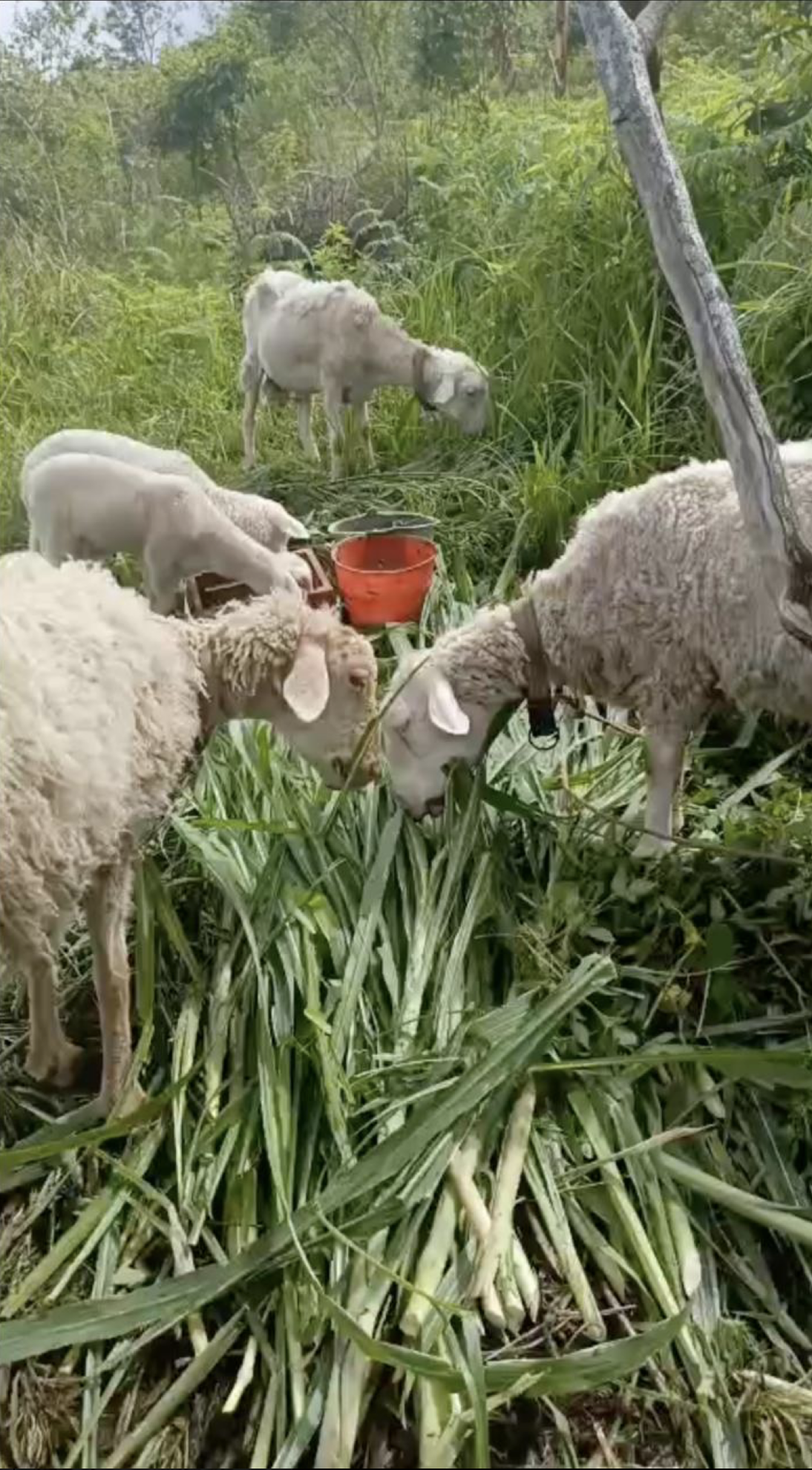
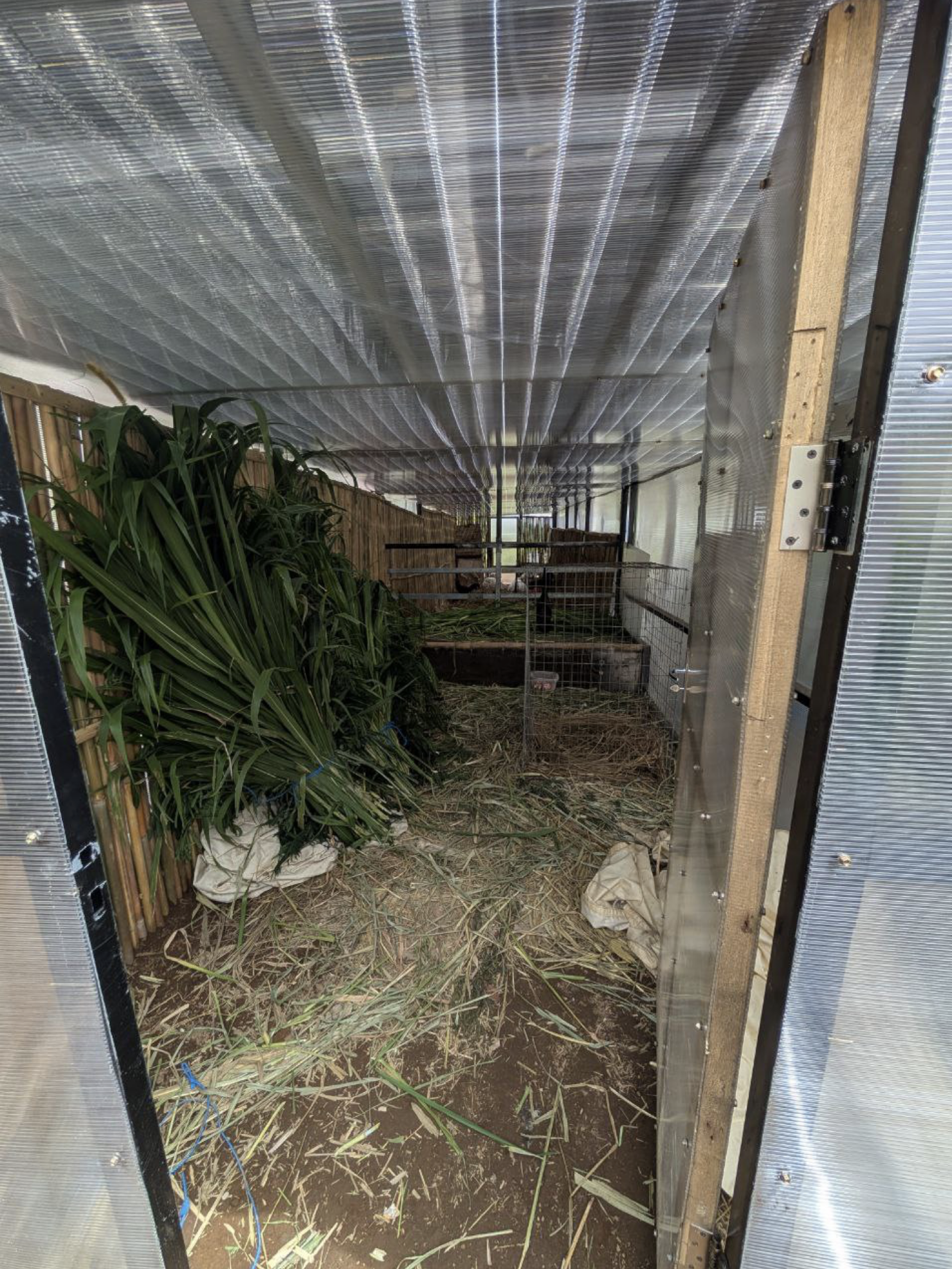
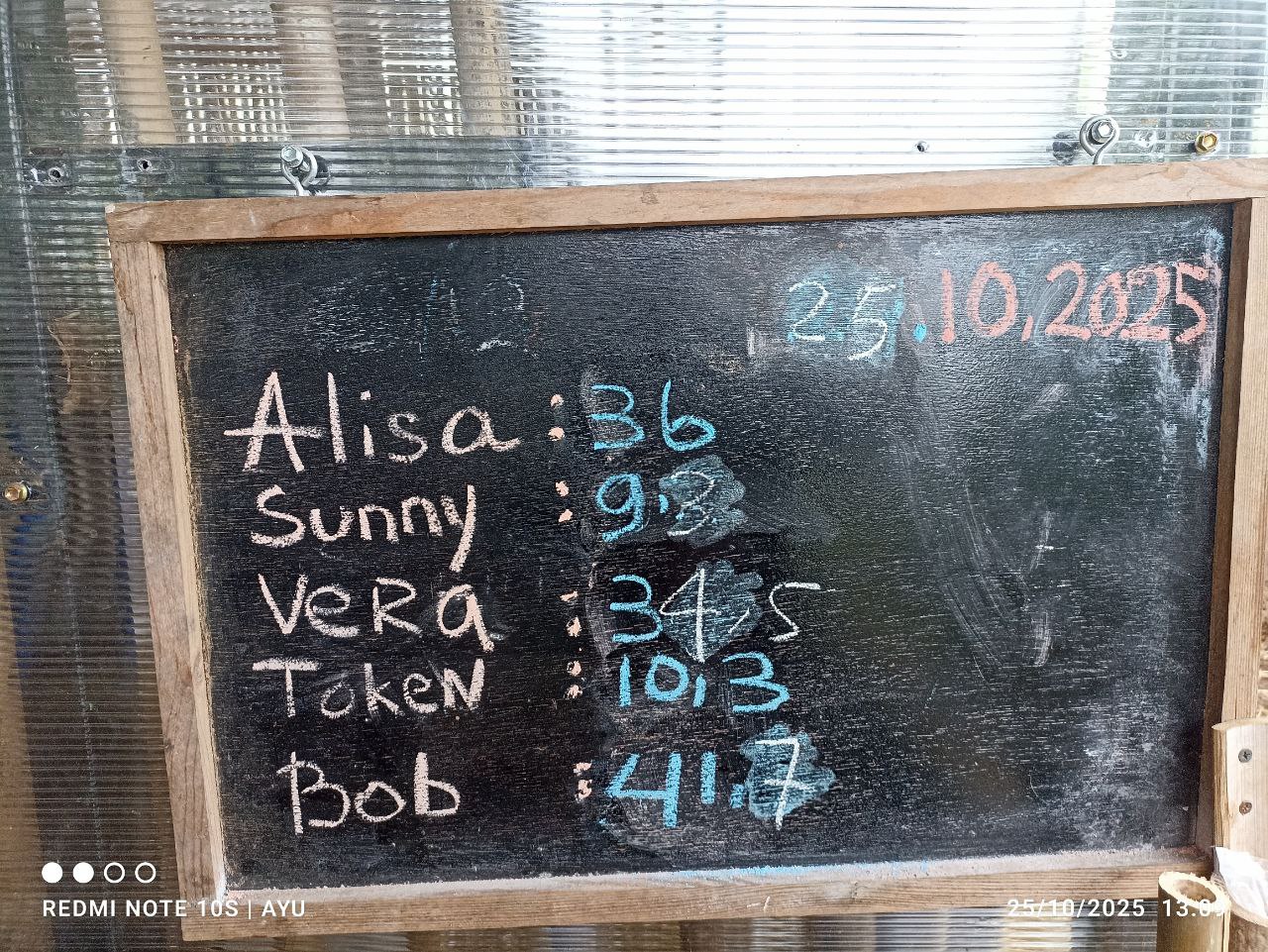
- animals: 10 sheep ⇒ 3 sheep ⇒ 5 sheep
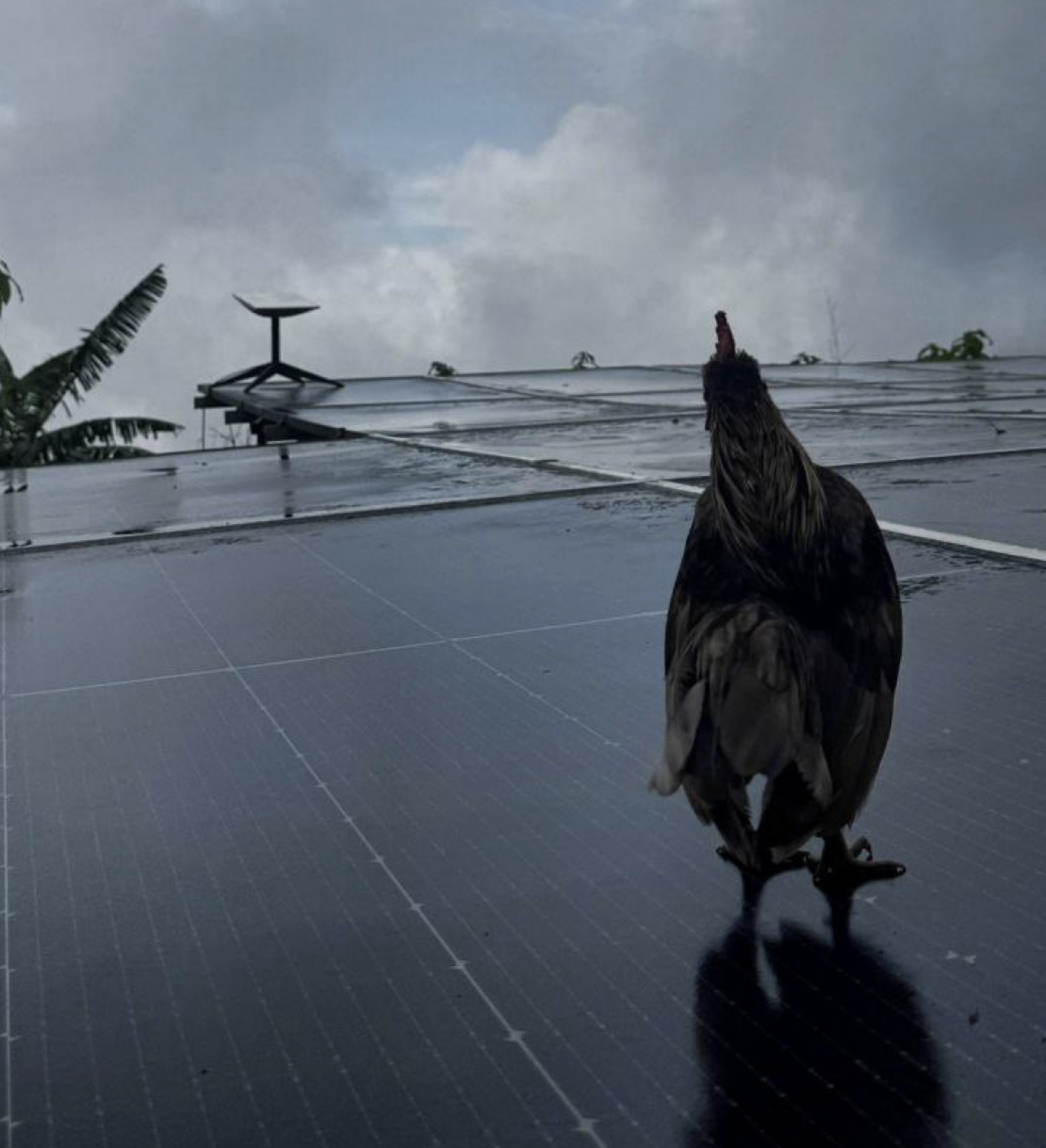
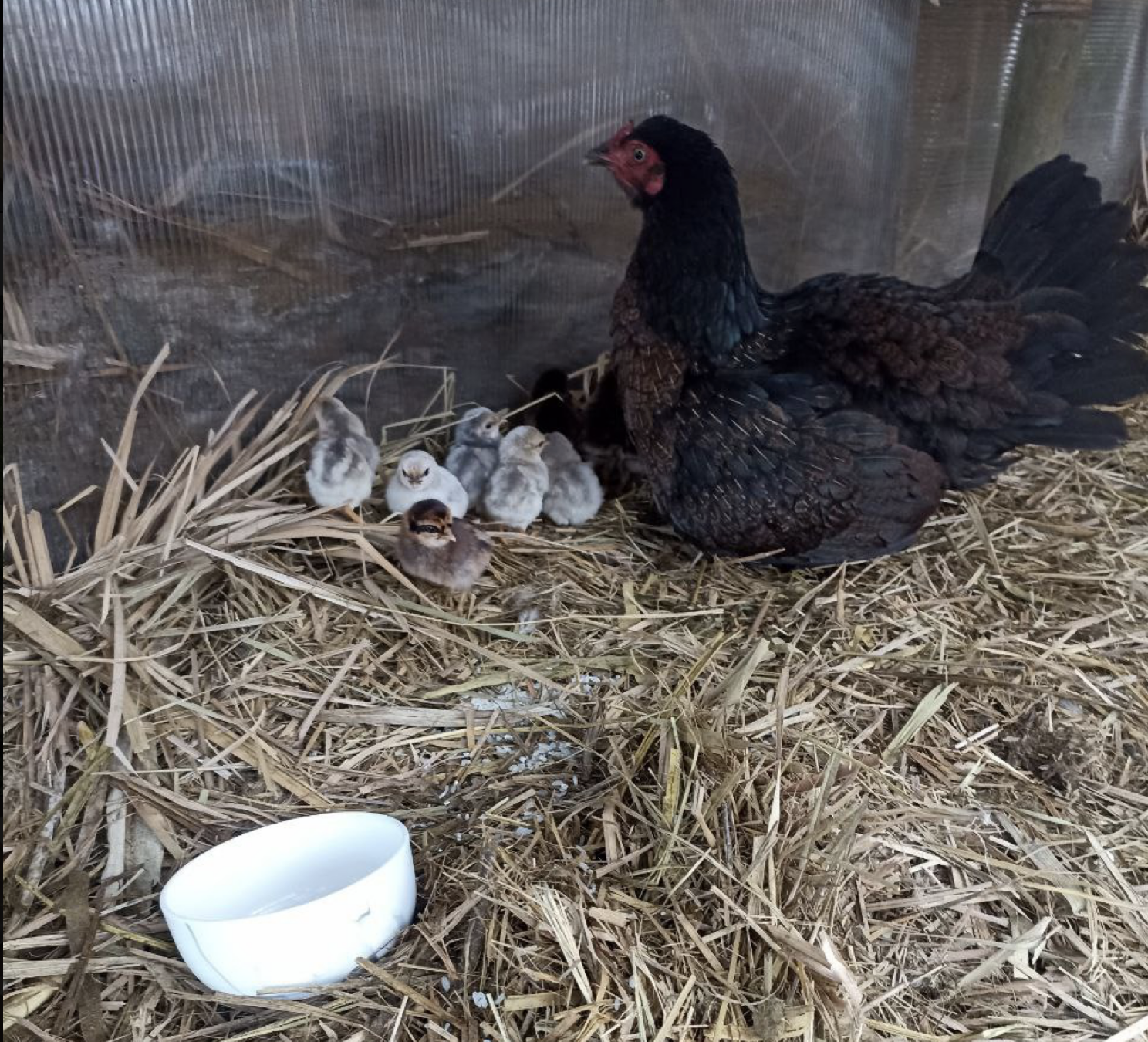
- chickens: mostly eaten by predators
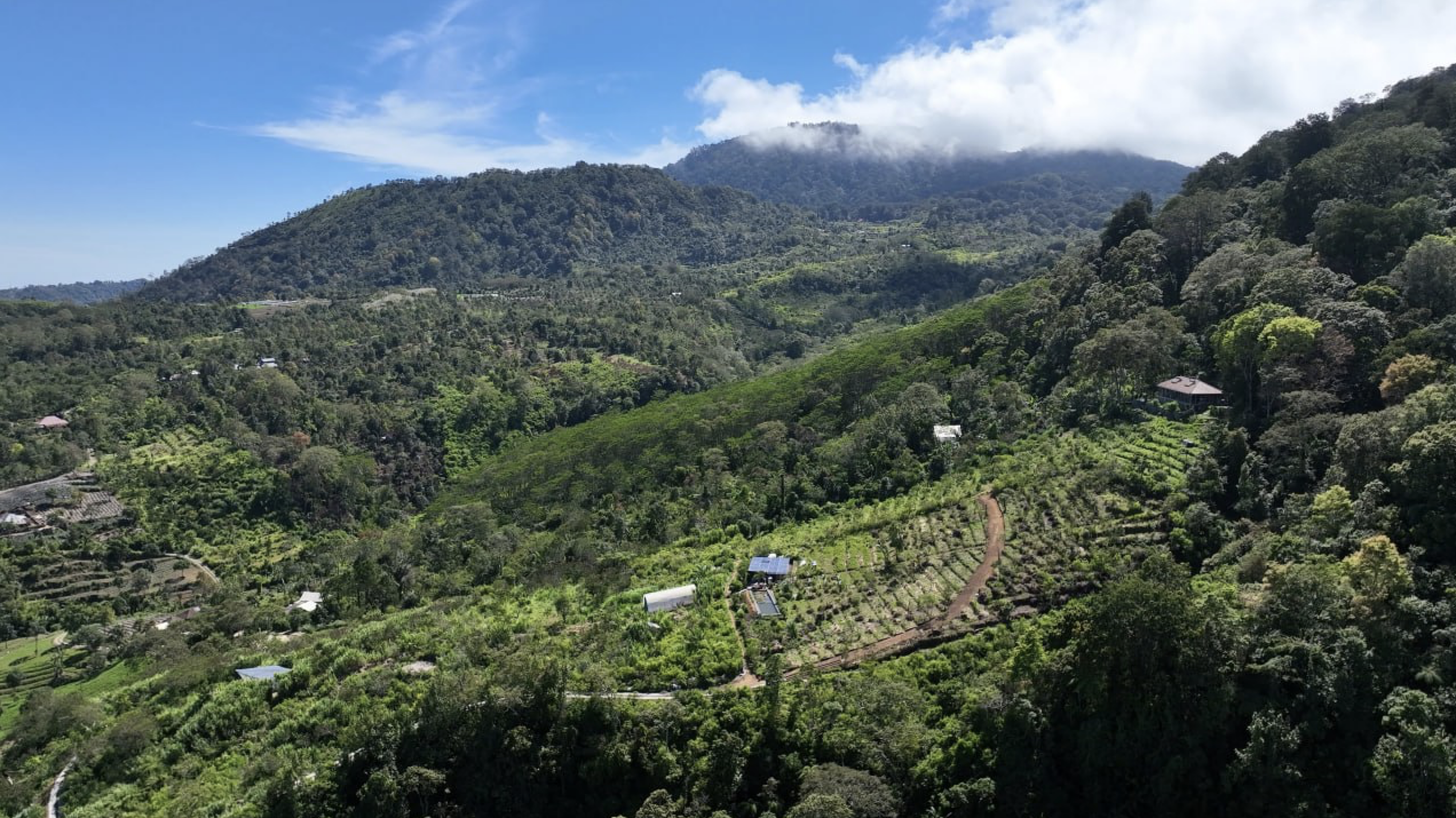
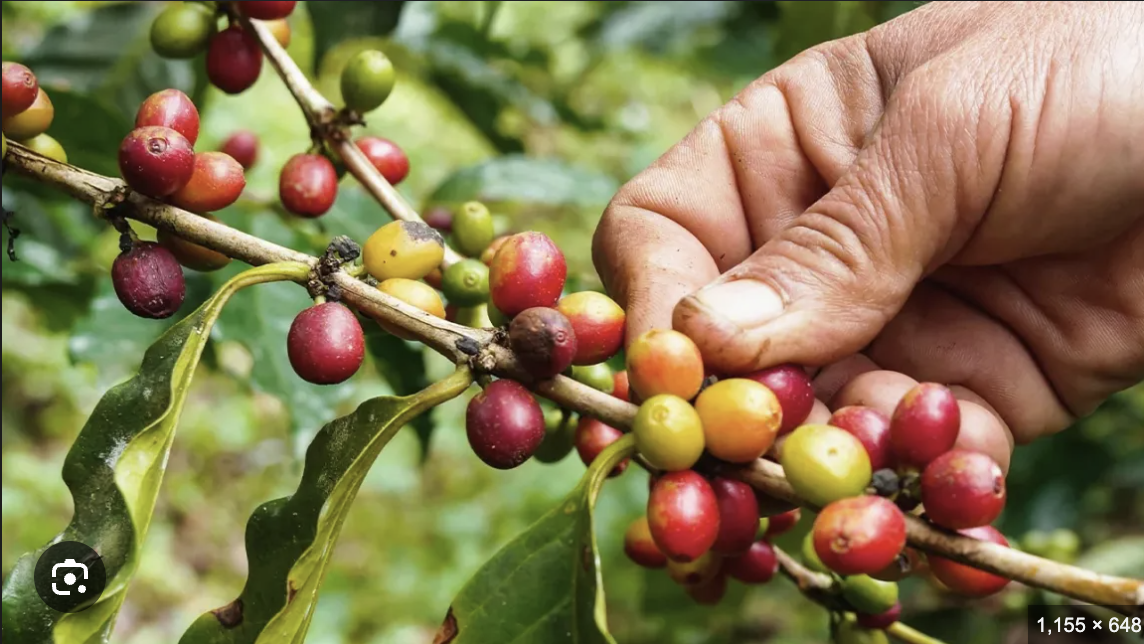
- 7 ha coffee plantation results
- 2 tones of coffee
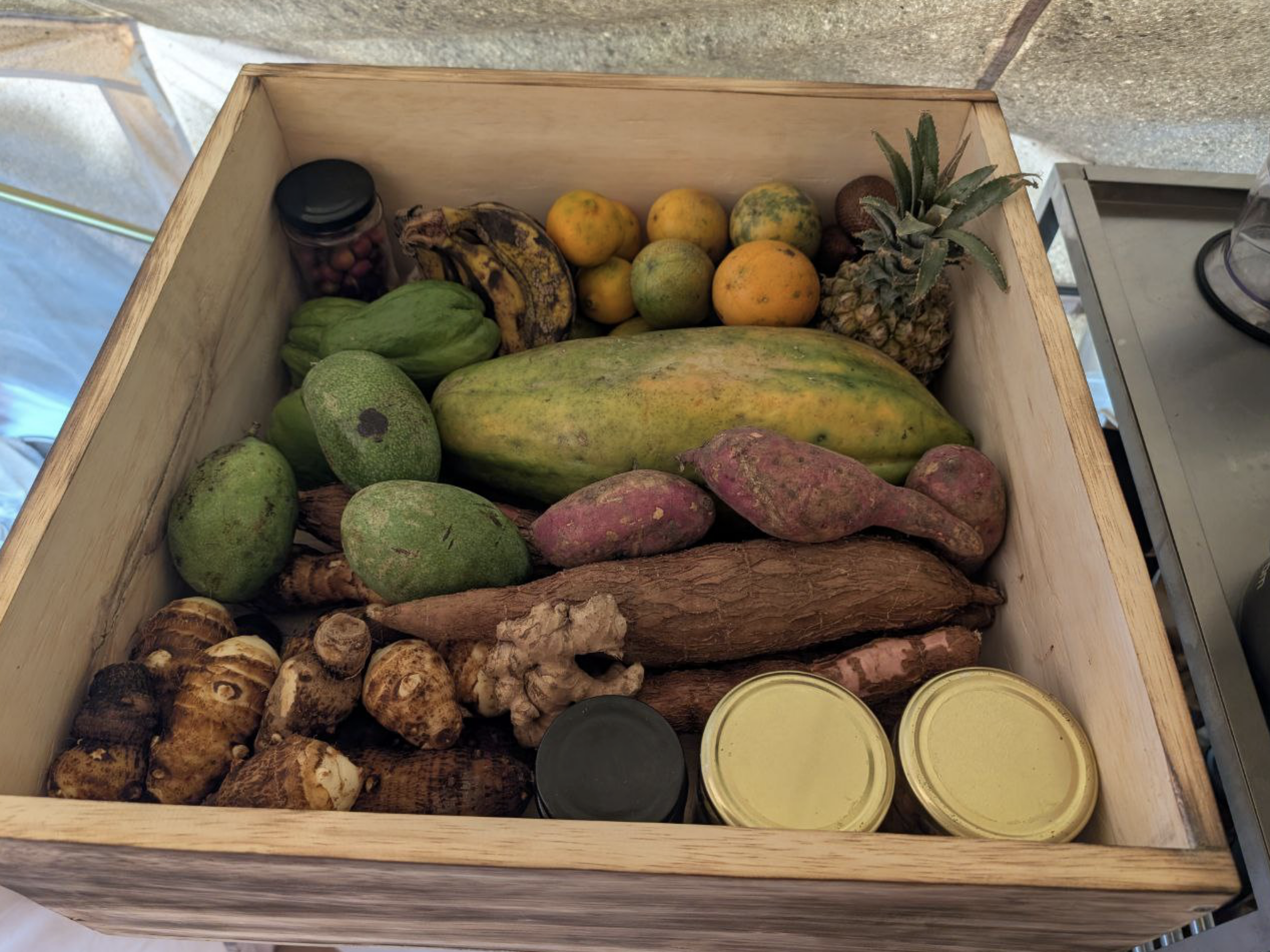
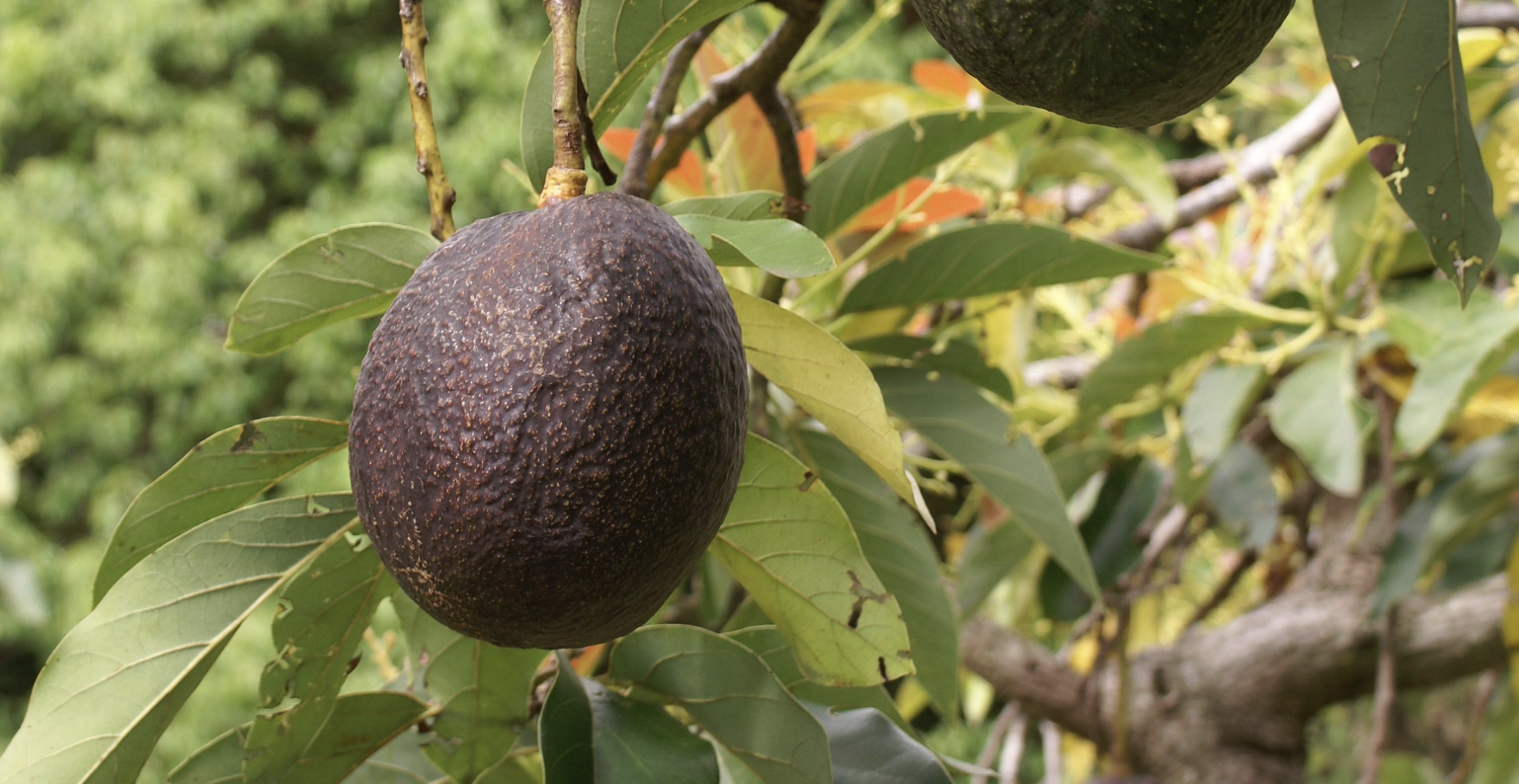
- continuous avocado, taro, batat, fern, chayote
- banana and jackfruit under recovery
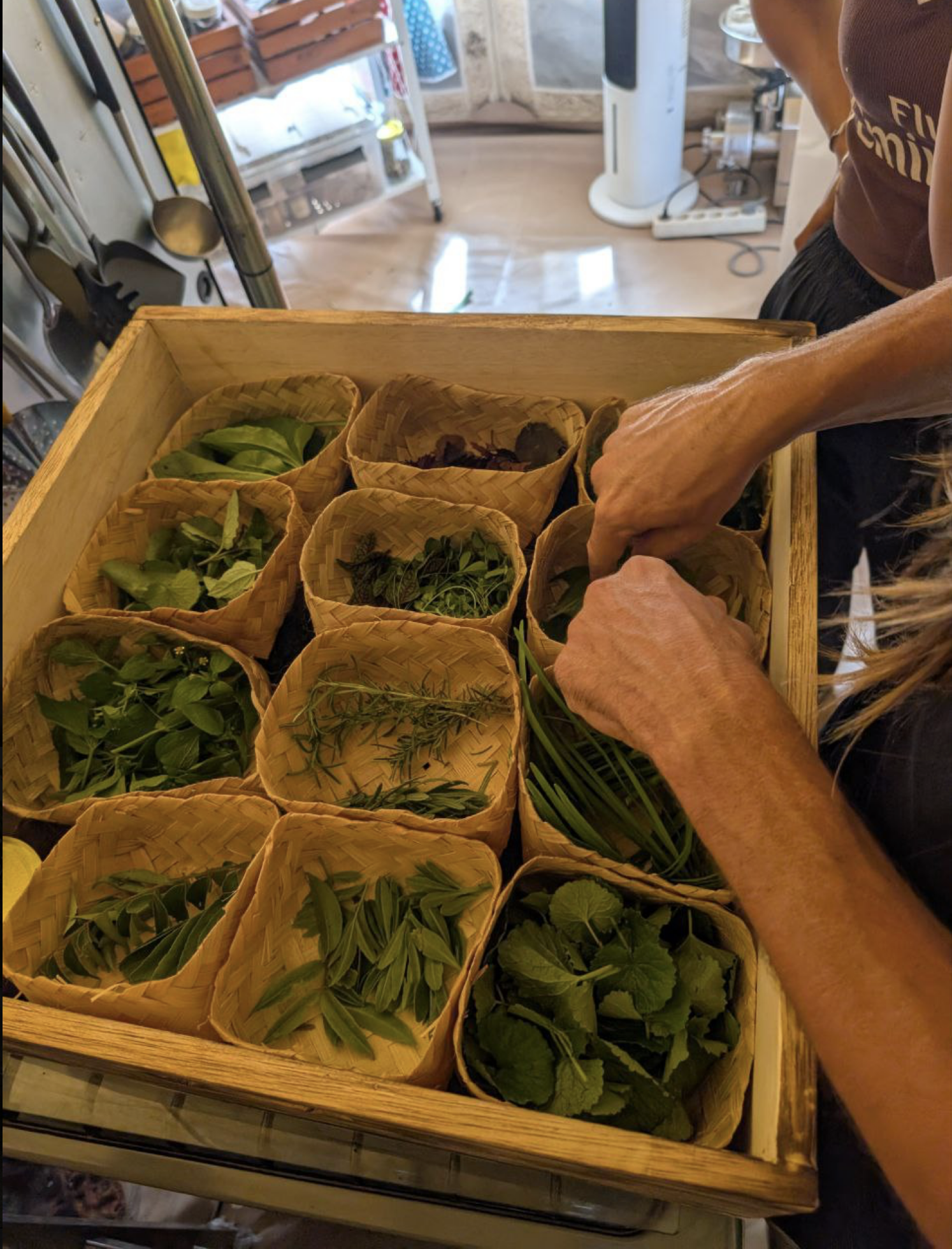
- greens, salads, aromatics teas
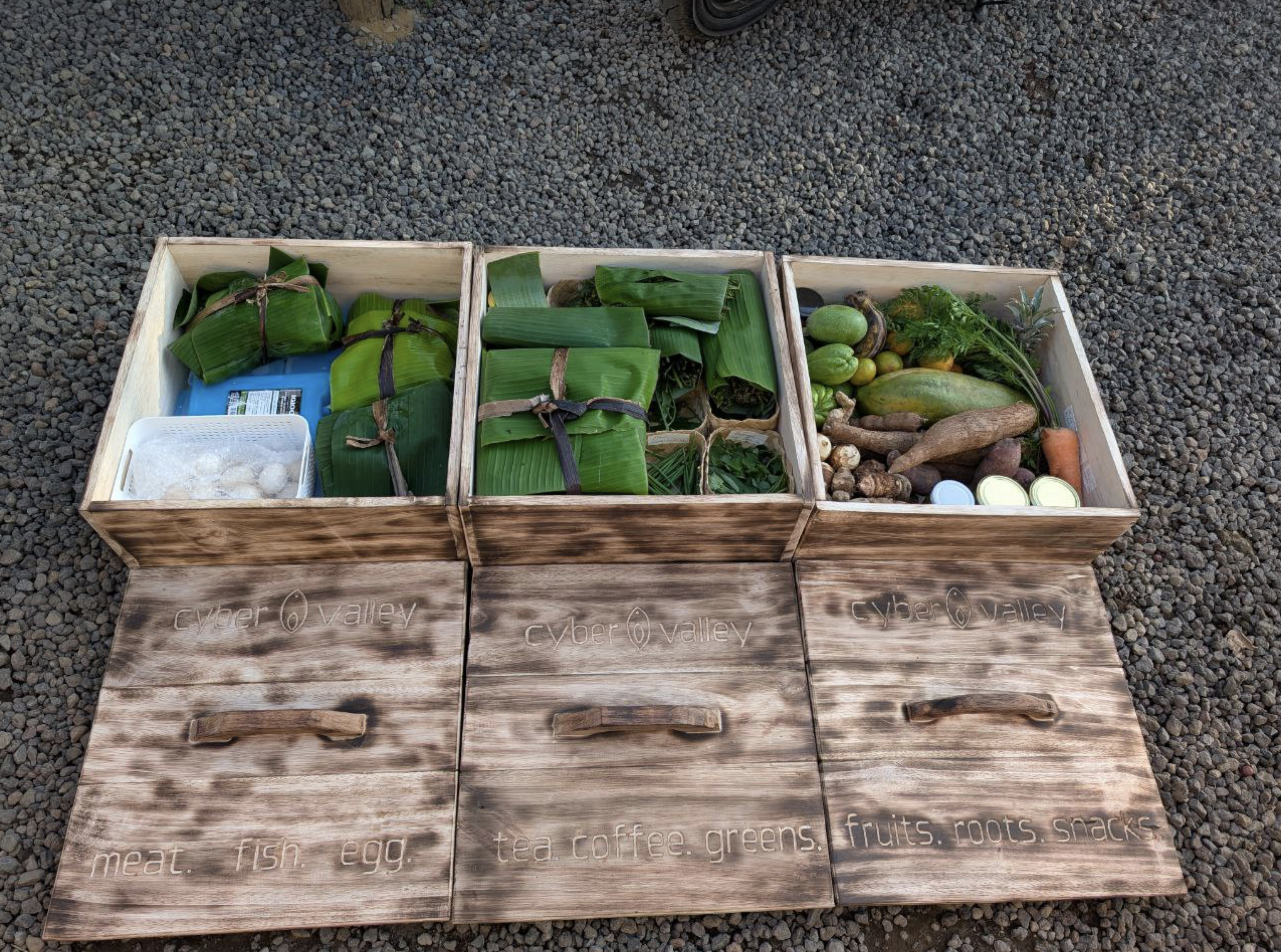
- foodbox (with the help of neighbors)
school of thoughts
- what is biome engineering?
- permaculture
- horticulture
- agroforestry
- regenerative farming
- syntropic growing
- sytech
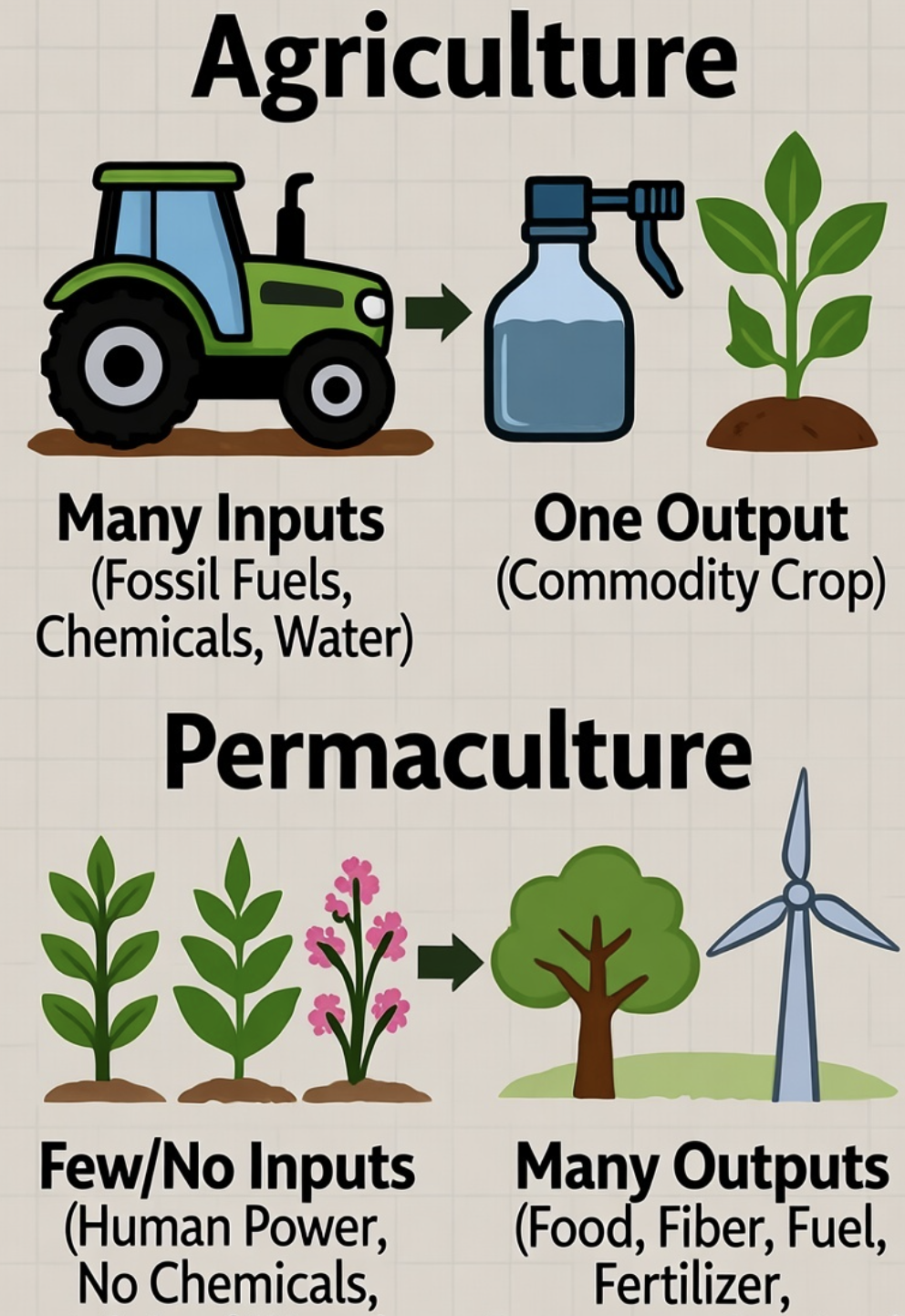
one big difference
- one output ⇒ many outputs
- many inputs ⇒ almost zero inputs
low margin ⇒ high margin
-
$0.8 per kg
-
$500 per kg
-
$0.7 per kg
-
$50 per kg
-
sell raw ⇒ sell menu
-
2x margin on real estate investments
- higher utilization
- better vibe
- higher retention
-
8% per year ⇒ 16% per year


how to?
-
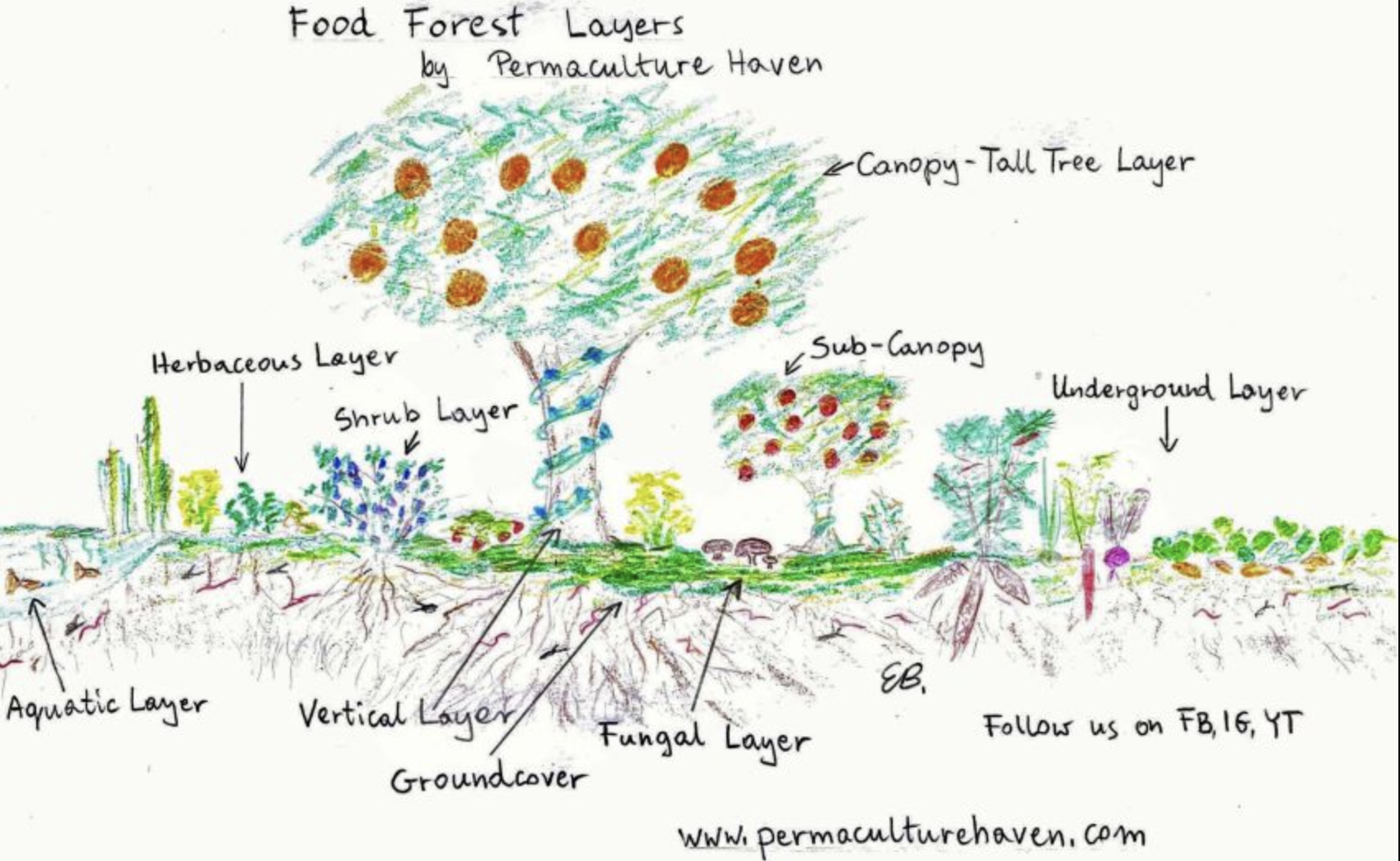
aqua + fungi + plant + animals
-
-
-
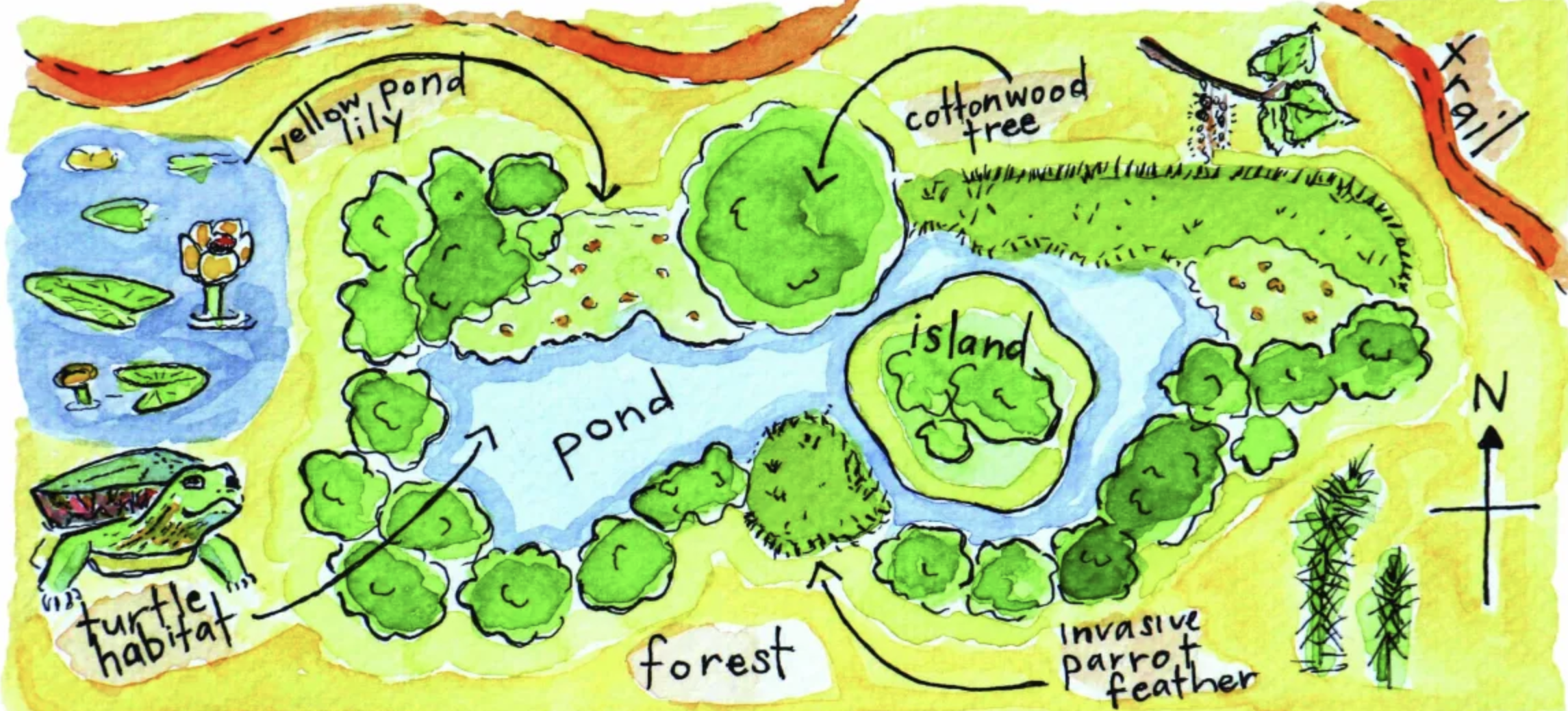
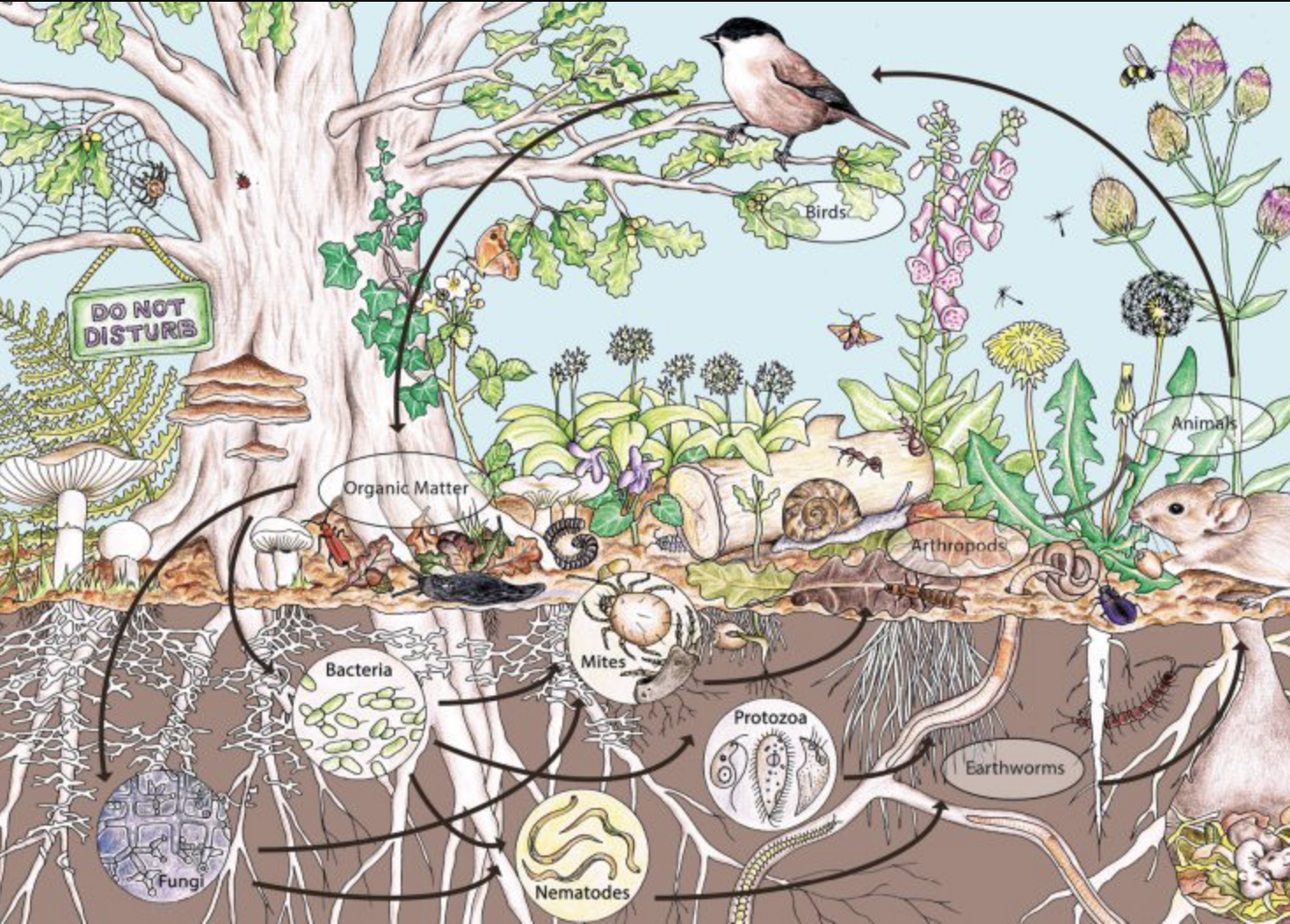

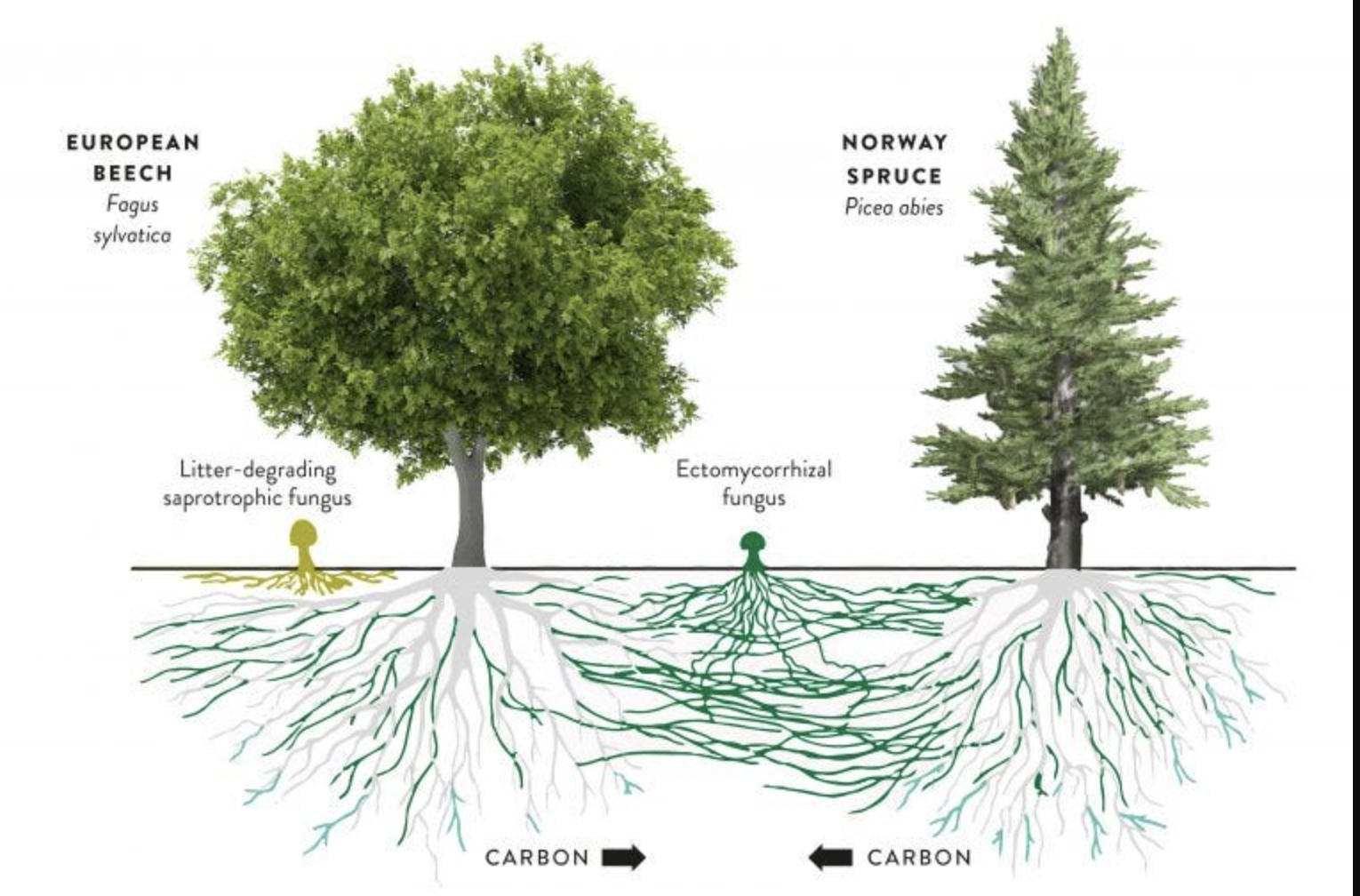
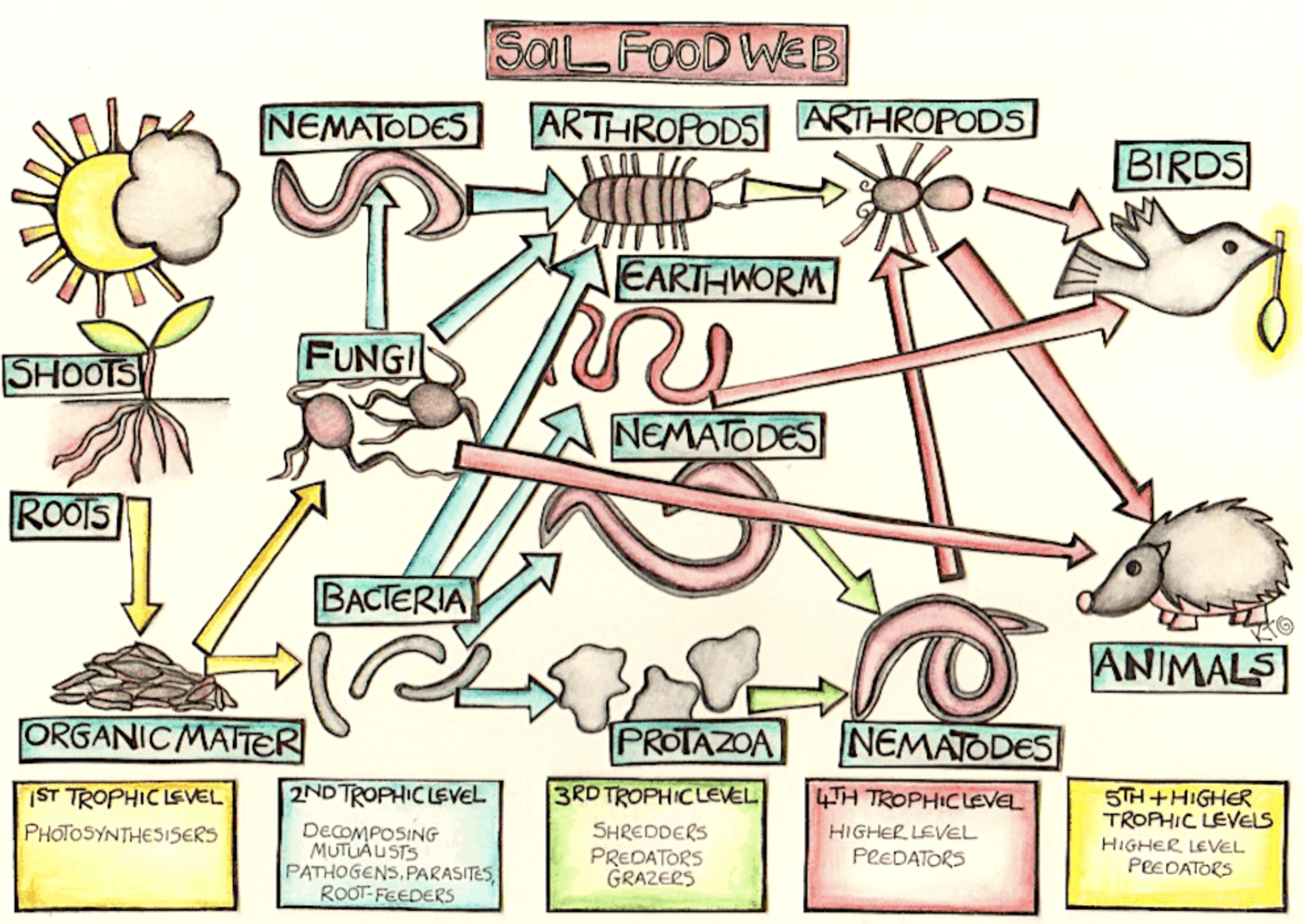
how to scale?
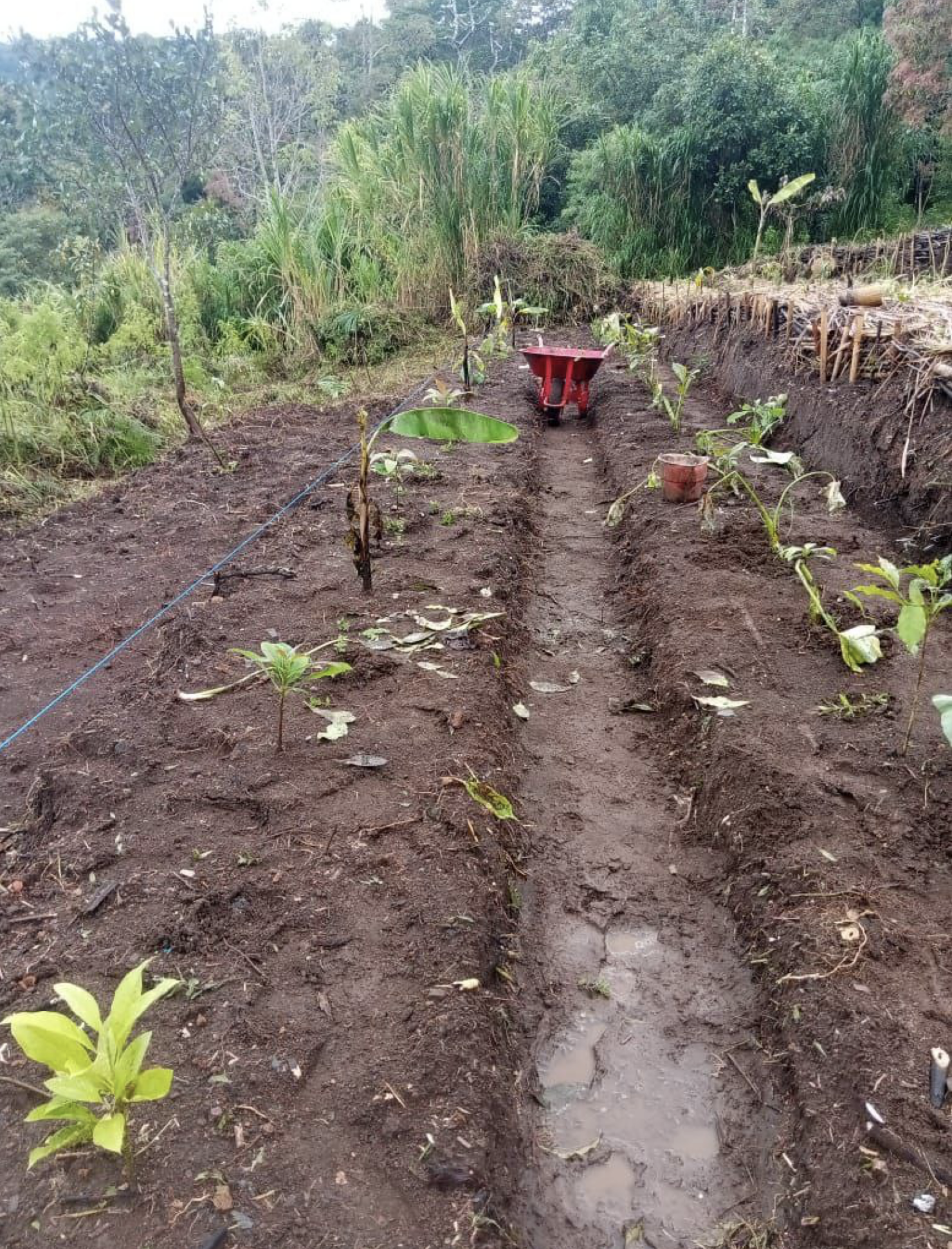
- 1*1 m grid
- strict schedule
- data mining
Summary
- 1 primitive family (4 people) needs
- 30 ares in tropics and subtropics
- 1 ha in regions with winter
- 3 years to setup
Advices
- grow whats already growing ⇒ adapt
- one small step at a time
Connect
t.me/cybervalleyland
_1761668766957_0.svg)
x.com/@mastercyb
-
_1761668827066_0.svg)
-
old notes
-
Biome engeneering is the art of designing living systems in resonance with nature’s intelligence—not against it. Rooted in the philosophy of harmonious complexity it assumes that life does not thrive through control, but through coherence — where every element, human and non-human, contributes to a whole. The aim is not to dominate the earth, but to inhabit it wisely.
-
At the same time, biome engineering is an emerging interdisciplinary field that blends ecology, technology, anthropology, and design. It focuses on modifying and optimizing ecosystems to meet human needs, restore natural balance, and cultivate self-sufficient environments. It treats life systems not as chaotic wilderness nor as exploitable machinery, but as intelligent, self-organizing structures that can be observed, guided, and co-created.
-
We begin with structure. Land is read through maps, which divide territory across nested spatial scales:
- sector is the smallest operative unit—defined by forms like bed, wall, and path
- block is a homestead — enough to sustain a family
- district is a shared commons — supporting a clan through social, hydrological, and economic integration
- region hosts a tribe—a complete biome cell with cultural and ecological sovereignty
-
This division isn’t arbitrary. It’s grounded in the surface area a human needs to meet their basic food, material, and waste cycle needs — amplified through collaboration and layered design.
-
Within these maps, zones optimize activity: what’s closest is used most. shapes — like terraces or ponds —sculpt terrain for energy flow. patterns embed natural logic: branches distribute, spirals expand, pulses regulate.
-
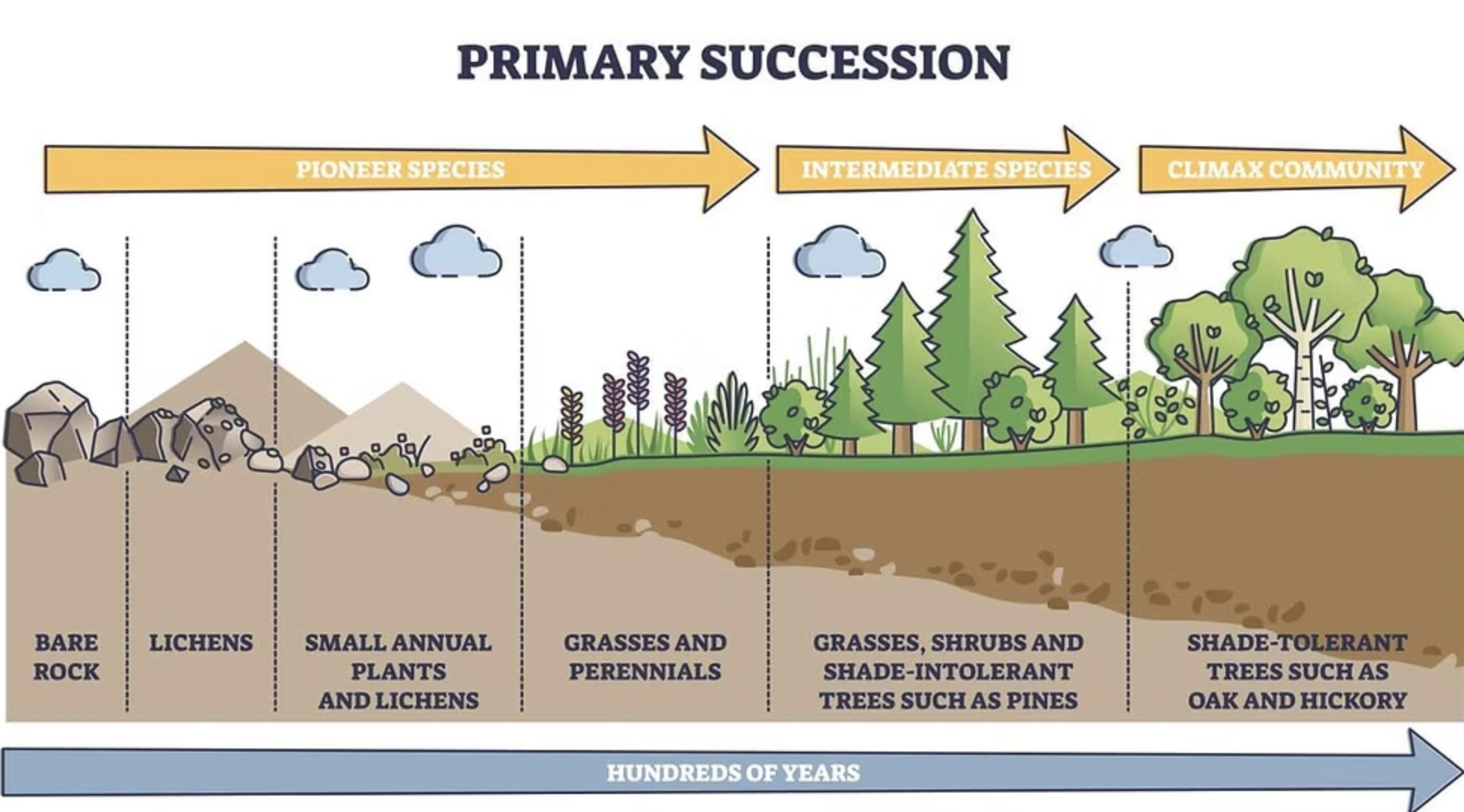
Life is not flat. Vertical layers — from canopy to mycelium — allow multiple species to coexist in the same space. Through succession, we understand how ecosystems change in time — from pioneers to climax species. stratification is the fusion: a structural view that connects time and space as one living continuum.
-
A healthy biome is not a monoculture. it is a guild: a polyculture of mutualists where each species supports the others. features reveal their roles: builders, accumulators, protectors, attractors, and decomposers.
-
To guide this complexity, biome engineers use a simple set of methods:
- observation: perceive rhythm, structure, and signal
- formation prepares the land—groundwork for water, light, and structure
- propagate plants initiate new life
- harvesting return and redirect energy
- support maintain and adapt to living conditions
-
These actions follow the lifecycle: germination, growth, reproduction, decline, and decay. Every method is a dance with timing. We don’t impose control—we enter rhythm.
-
climate sets the canvas. But microclimate draws the lines: the slope behind the wall, the shade under a tree, the breeze by the pond. This is where life truly negotiates space.
-
Biome engineers classify species by their type and the products they yield: food, fuel, fodder, fiber, medicine, aroma, soil, and structure. But classification runs deeper: we ask what role it plays, what cycle it joins, and what relationships it forges.
-
a system is not alive because it grows. it is alive because it holds itself together. the purpose of biome engineering is not production—it is integration. a truly intelligent biome is one where every part multiplies the wholeness of every other part.
-
This is not farming. This is not agriculture. This is not landscaping
-
This is how life builds itself — through us, with us, as us. As part of the planetary mind.