- part of pirates of cyber states course on off grid living in cyberia
- published on x.com
| scale | total consumption | per hour | population | per capita |
|---|---|---|---|---|
| global | 30 850 TW/h | 3.52 TW | 8 000 000 000 | 0.42 KW/h |
| cyber valley | 40 000 KW/h | 4.5 KW | 40 | 0.11 KW/h |
- kardashev type 1 target
- 500x - 2000x more for all
- 1 000 000 000 for cyberia
- main rule for autonomous energy system: diversification
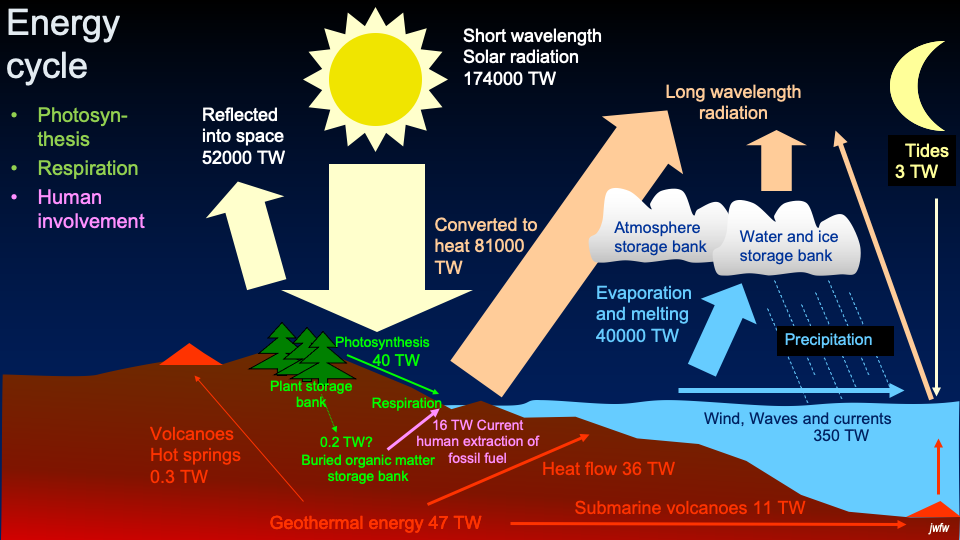
energies
water: most fundamental resource
- current cyber valley status
- water generation
- 1 000 000 m3 per year
- 100 m3 per hour
- water storage
- 200 m3
- how to?
- how much you need?
- As much as possible
- we consume 1t per day minimum
- 25 liters per human
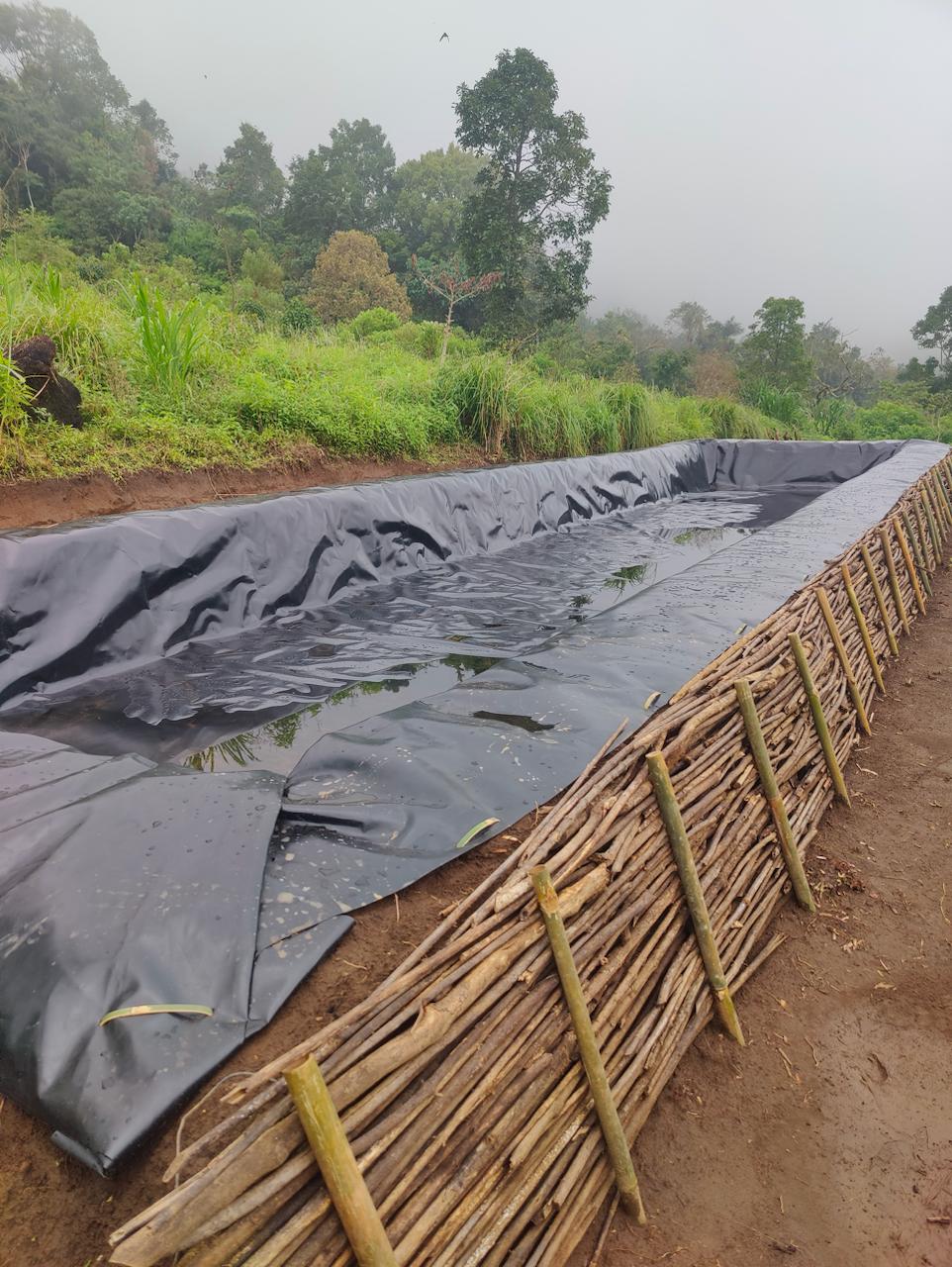
- rainy water collection and storage costs
- depends on your soil ⇒ water holding capacity
- don’t store on closed containers (unless a lot of pollution) ⇒ quality the same, costs 5x - 10x
- clay or stone:
$5 -$10 m2 of the pond bottom - hdpe or ppr (not pvc) geomembrane:
$1 -$5 m2 of the pond bottom
- filtration
- biofilter for water purification
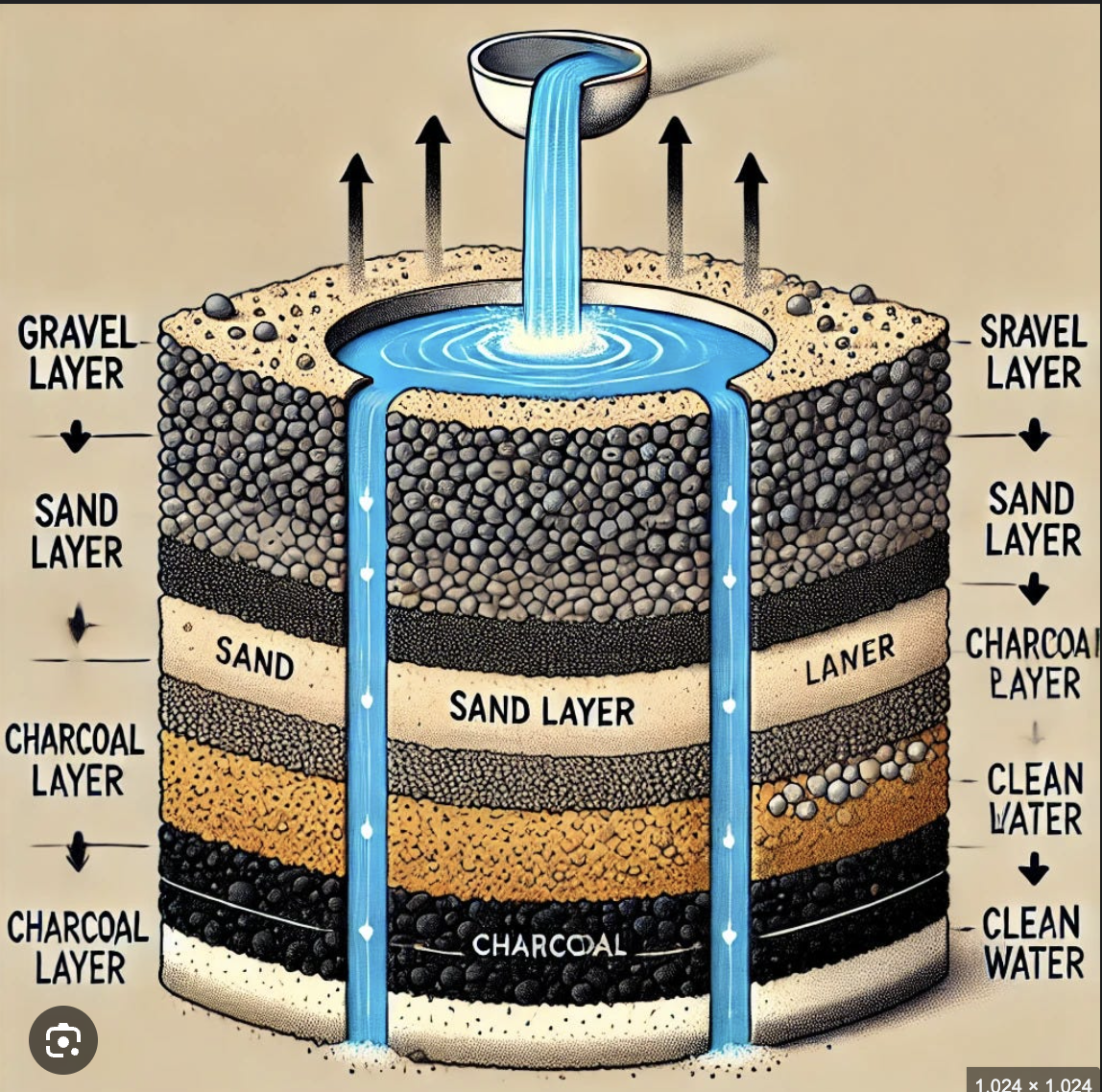
- schmutzdecke
- gravel + sand + biochar + limestone
- uv filter
- basalt box
- total costs: 1000 per point of consumption
- gray water
- paperless toilets: drier and washer ⇒ 500
- do not use cosmetics ⇒ natural saponins
- simple plastic septic: $100


sun
- solar is the key: map
- current citadel genesis status
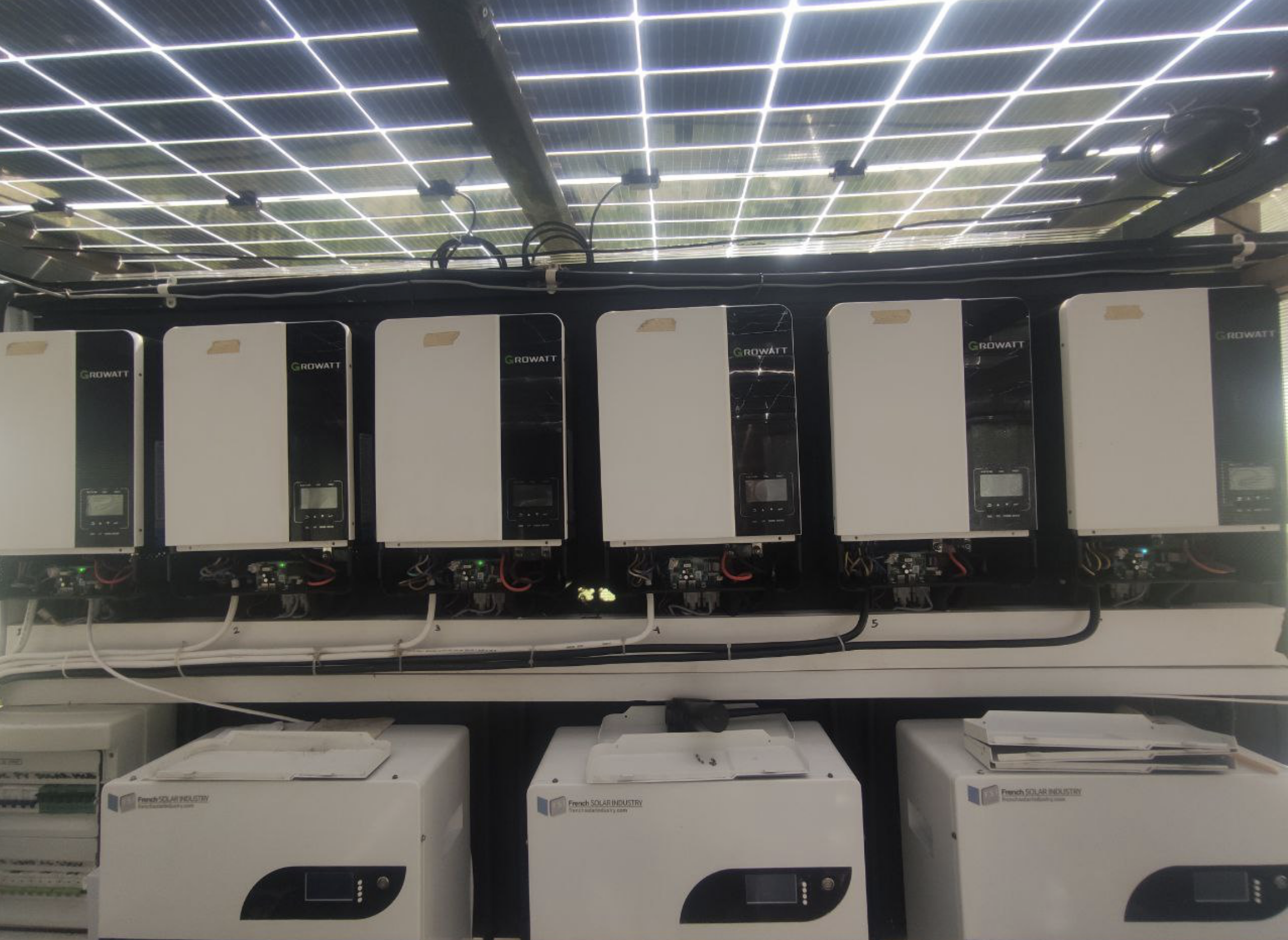
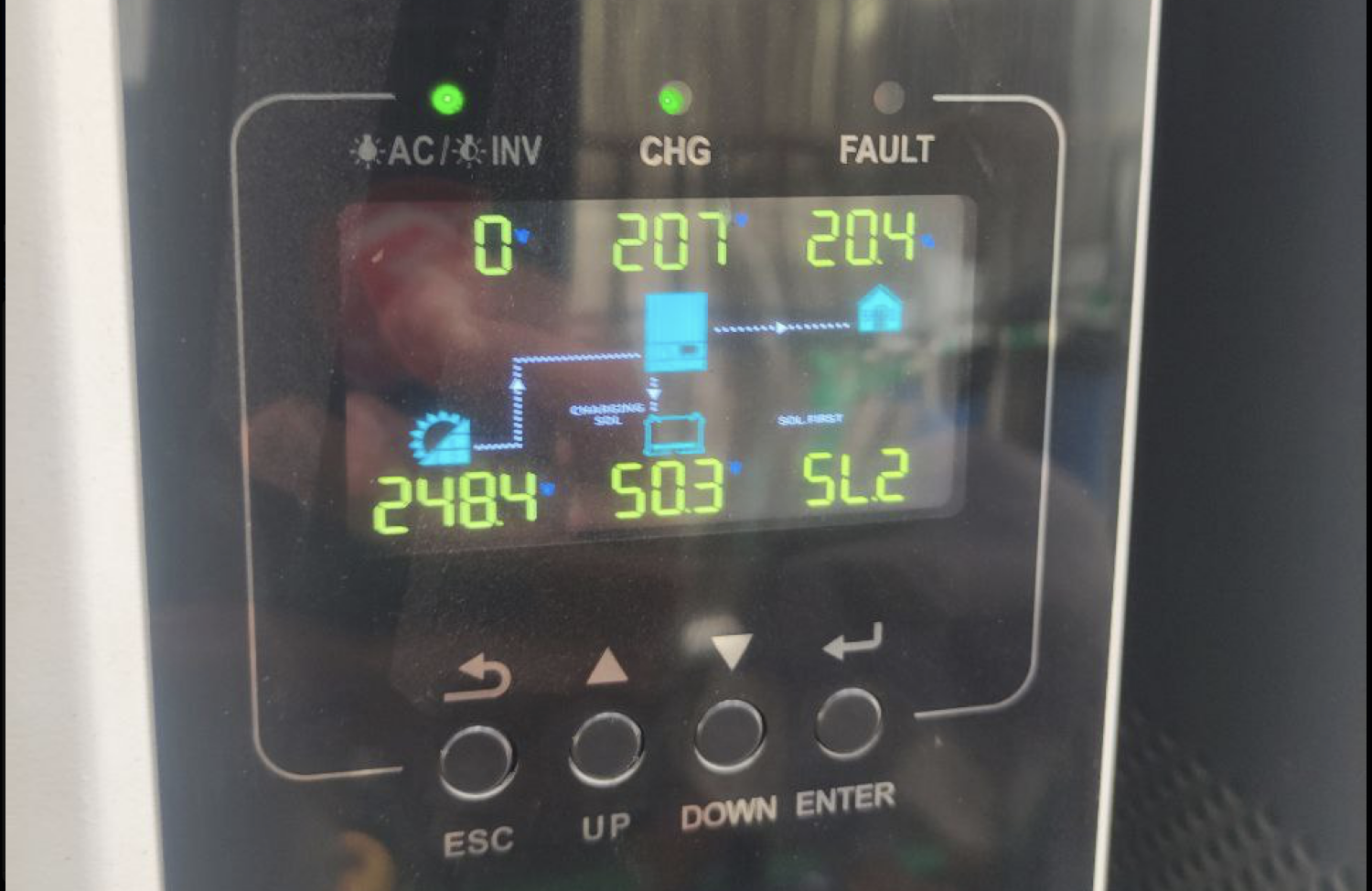
- 30 kw of solar generation which cant be reliable in our environment
 `
`
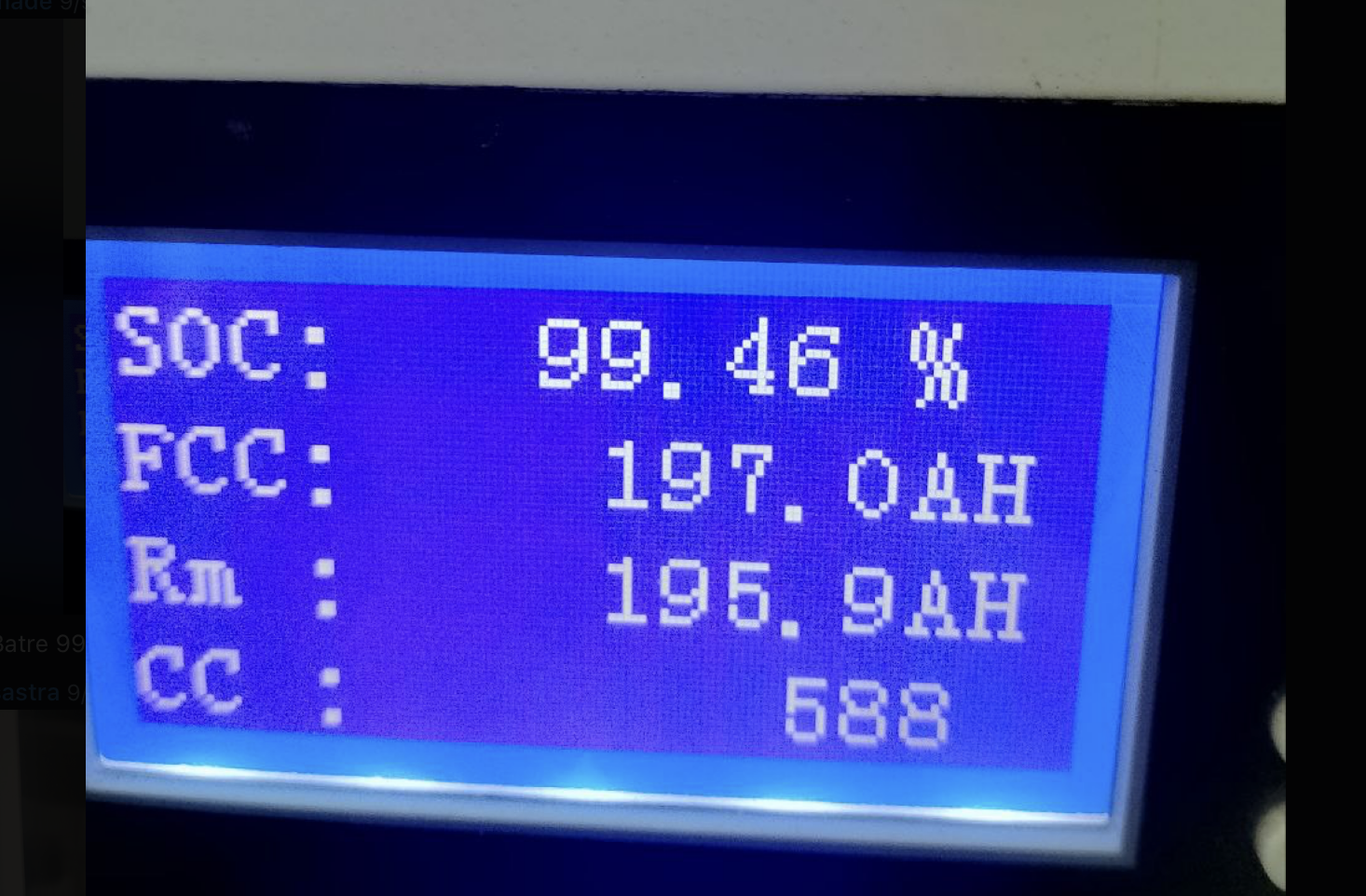
- 30 kw of energy storage which is convenient for us
- nominal power != real power output
- needs
- 1-2 kw of nominal power per human
- costs:
- panels: 500 per kw/h
- batteries: ~$500 per kw of storage
- alternative != sustainable
- photovoltaics and lithium batteries does not seems like sustainable solution
- sustainable is when energy system can run indefenetly
| aspect | solar panel | lithium battery | computer chip |
|---|---|---|---|
| --------- | ------ | -------- | --------- |
| lifetime | 10–30 | 3–15 | 10-30 |
- rough estimation of production complexity for staple energy system
| aspect | solar panel | lithium battery | computer chip |
|---|---|---|---|
| --------- | ------ | -------- | --------- |
| number of countries | 10–15 | 8–12 | 10–12 |
| number of companies | 100–200 | 50–150 | 150–300 |
| number of people involved | 500,000 to 1 million | 250,000 to 500,000 | 1 million to 1.5 million |
bio (gas)
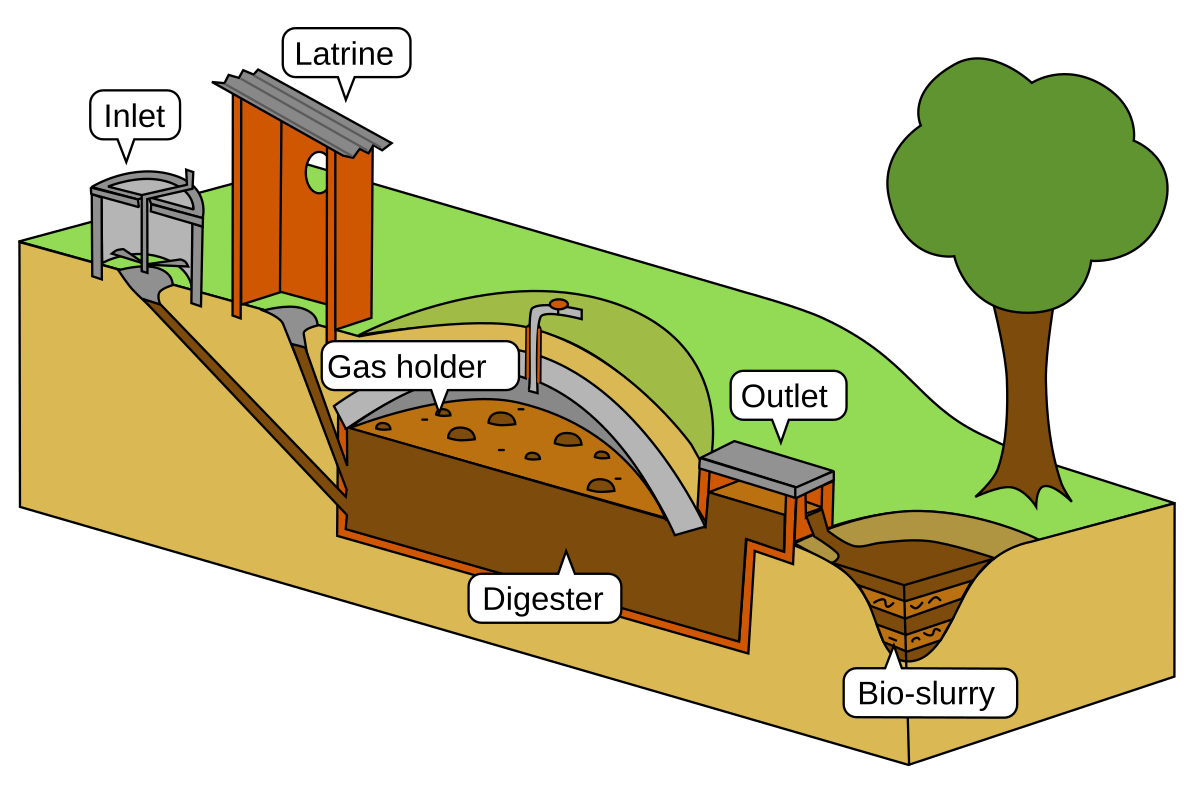
- affordable everywhere, cheap, clean
- costs: 200 per m3 ⇒ 10k household
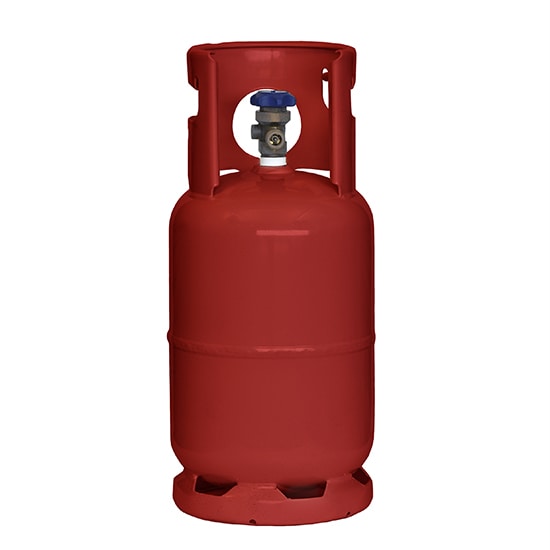
- biogas generator
- 5 KW/h of reserve power ⇒ $5k
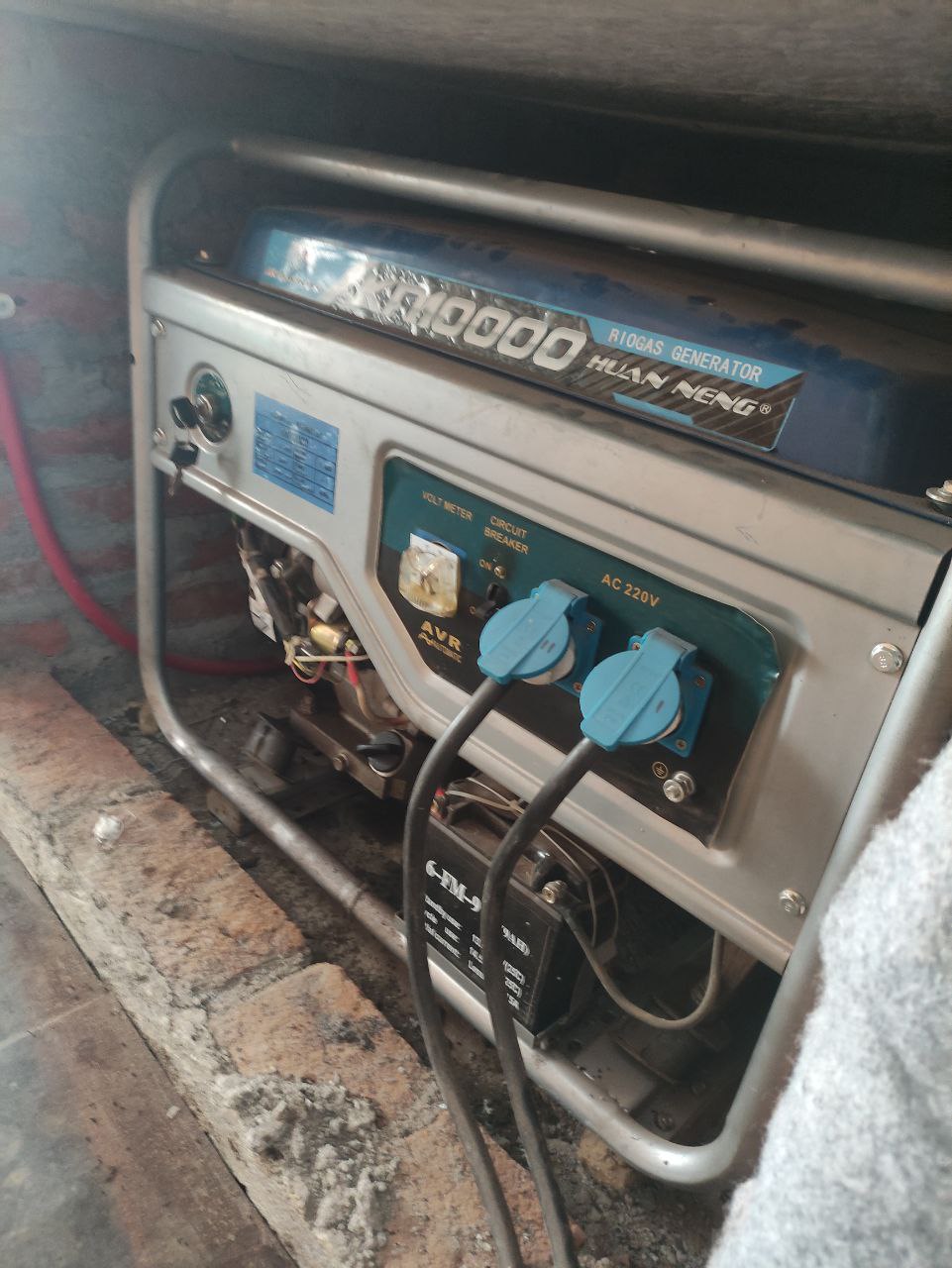
- remove noise
- clean air
- wood ⇒ come to carbon lecture tomorrow
air
- low altitude winds
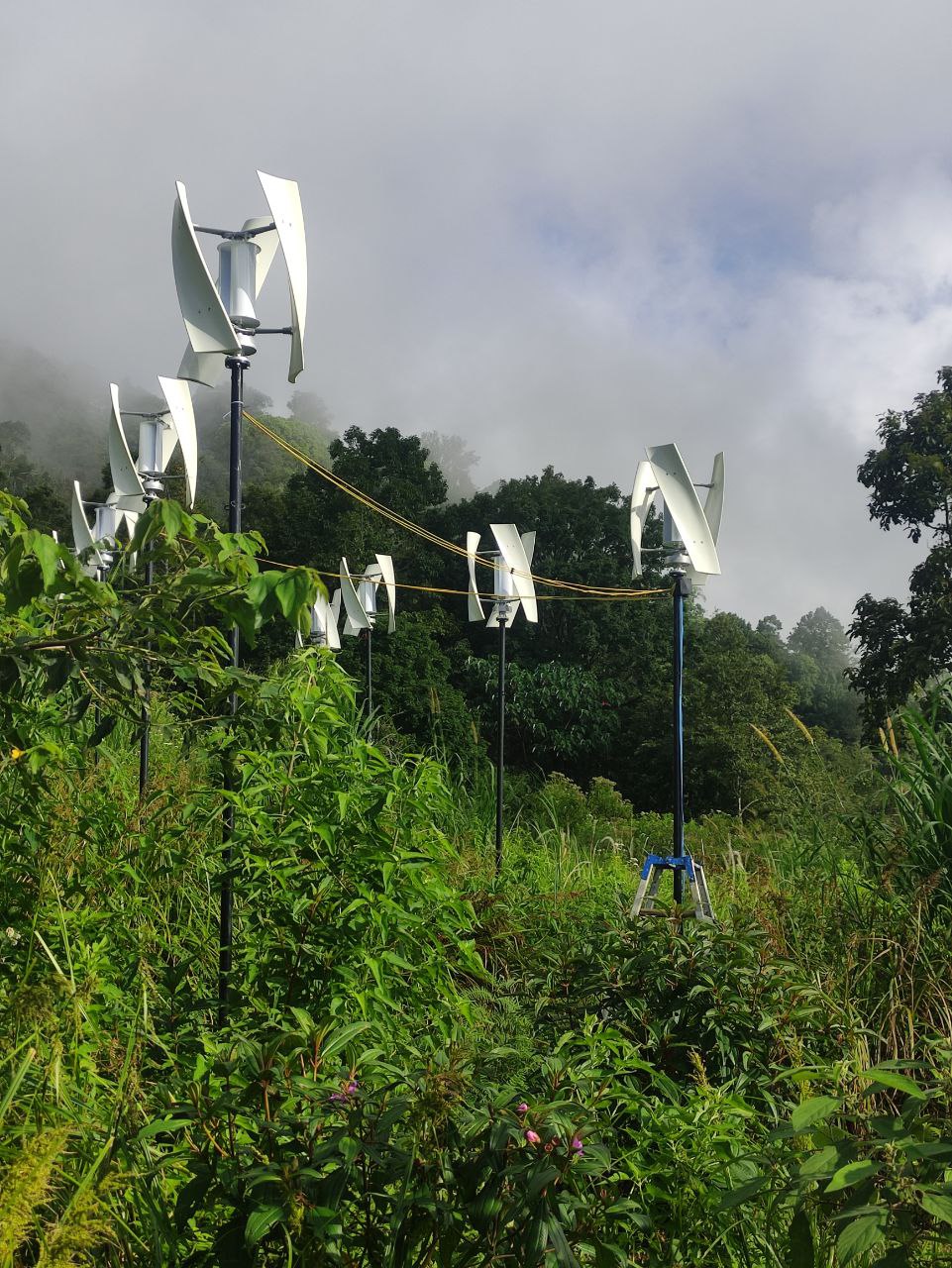
- high altitude winds

- current citadel genesis status
- need next iteration
earth
- topsoil geothermal: heat pumps + soil water batteries
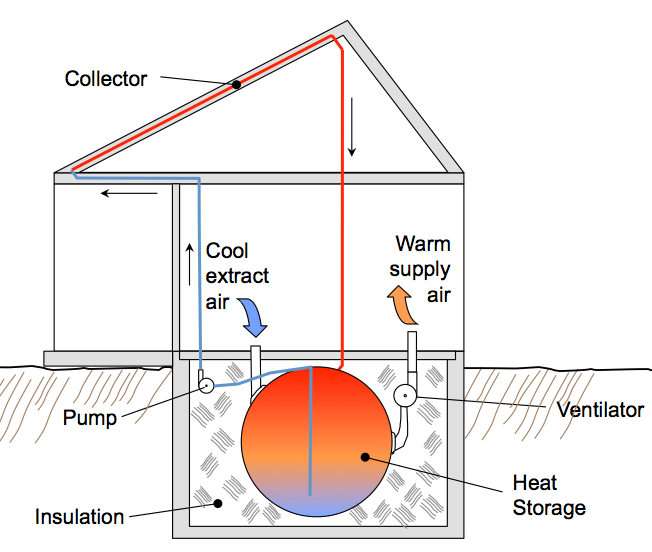
- deep geothermal ⇒ high investments ⇒ heavy maintenance

summary: 4 people needs
- generation: $10k
- storage: $5k
- water system: $5k
- total: $20k or ~4k per human
Connect
t.me/cybervalleyland
_1761668766957_0.svg)
x.com/@mastercyb
-
_1761668827066_0.svg)
-
other
-
two questions
- how to bootstrap the system using still working supply chains?
- how to design less complex, but more efficient energy system?
-
came into two phases
- 1 fast phase: buy staple energy system
- 2 slow phase: during lifetime replace with sustainable
- cheap storage as heat in water, soil, sand or whatever
- stirling engine is needed
- components
- at least 3 sources
- solar heat collectors
- 2 chamber stove
- medium altitude kites
- water and soil heat batteries
- stirling engine
- at least 3 sources
-
basalt road as heat collector, basalt cistern and surrounding soil as heat storage
- 1 m2 of basalt road can charge 1 m3 of water in cistern over a 90-day dry season
- double the road area, you halve the charging time
- heat loss from the un-insulated cistern to surrounding soil is < 3 % per month at 2 m burial depth
- that lost heat simply diffuses into the soil store and is not wasted
- overall system cost is dominated by tubing and electrics pumps
- all other materials are site stone, soil and manual labour